
The 2x3 American , popularized by the MAGA movement, is a visually striking political symbol. Its bold design and durable construction make it suitable for outdoor display, representing freedom of expression at rallies and gatherings. This flag carries complex meanings, evoking historical American values while sparking debates about national identity and political activism. Its widespread adoption encourages discussions on societal splits and serves as a significant cultural artifact reflecting national pride and political sentiment.
The "Make America Great Again" flag, a symbol widely recognized globally, has sparked diverse reactions since its inception. As a powerful political tool, it holds immense cultural weight, reflecting aspirations for national pride and prosperity. However, the 2x3 American flag's design and associated rhetoric have also become subjects of contention, raising questions about historical context, cultural sensitivity, and the potential for divisiveness. This article delves into these complexities, offering an authoritative exploration of the "Make America Great Again" flag, its impact, and a nuanced perspective on how to navigate this charged symbol in today's political landscape.
- Understanding the Make America Great Again Flag Design
- Historical Context: Flags as Political Statements
- Decoding Symbols: What Does the Flag Represent?
- Impact and Controversies: The Flag's Rise and Reception
Understanding the Make America Great Again Flag Design
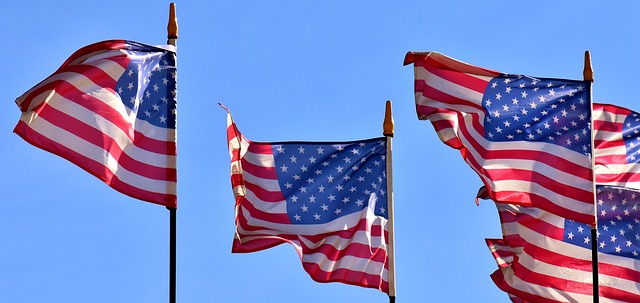
The "Make America Great Again" (MAGA) flag, a potent symbol of political sentiment, has captivated public discourse with its distinctive design. This 2x3 American flag, tailored to the traditional dimensions, stands out due to its unique embroidery and vibrant colors. The primary visual impact lies in the bold red letters spelling out "MAGA," contrasting sharply against the white field—a stark departure from the standard flag's more subdued aesthetics.
Crafted with custom embroidery, this variation adds a layer of intricate detail that sets it apart. Skilled artisans employ precise stitching to ensure the message is both legible and durable, making it suitable for outdoor display. The 2x3 format, when proudly flown or mounted on a stand, serves as a striking focal point in any setting—whether at rallies, gatherings, or as a centerpiece in private residences. This tailored design has resonated with supporters, becoming a ubiquitous symbol of patriotism and political ideology.
When displaying the MAGA flag outdoors, considerations such as weather resistance and visibility are paramount. High-quality materials and careful construction ensure longevity even when exposed to varying climates. Display stands specifically designed for 2x3 flags further enhance its presentation, providing flexibility in placement and allowing for dynamic exhibitions. As a powerful visual tool, this flag has left an indelible mark on American politics, sparking conversations and debates while remaining a testament to the freedom of expression.
Historical Context: Flags as Political Statements

The 2x3 American flag, a seemingly simple piece of fabric, has a rich history as a powerful political statement. Throughout America's journey, flags have served as symbols of identity, unity, and change, with the 2x3 polyester American flag becoming an iconic representation of national pride and ideals. When President Trump launched his "Make America Great Again" (MAGA) movement in 2015, the use of the 2x3 American flag took on a new dimension, transforming from a traditional symbol to a political tool. This flag became a ubiquitous sight at rallies and events, showcasing the powerful impact of flags as tools for political expression.
The historical context of flags as political statements dates back centuries. From the colonial era to the modern day, flags have been used to rally support, inspire patriotism, and foster a sense of community. In the case of the MAGA movement, the 2x3 American flag became a rallying cry for change and a symbol of resistance against perceived political and cultural shifts. Online shops like Ultimate Flags, known for their extensive collection of high-quality flags, saw a surge in demand for these specific 2x3 polyesternations as people sought to express their support or dissent through this iconic imagery. This trend highlights the contemporary relevance and impact of flag design and usage in political discourse.
To understand the significance of the MAGA flag and similar political emblems, it's essential to explore how they contribute to a broader narrative. Flags have the unique ability to transcend mere aesthetics, carrying cultural and historical weight. They evoke emotions and spark conversations, making them potent tools for any movement seeking to capture the public's attention. As such, online stores catering to flag enthusiasts and political activists play a vital role in providing accessible platforms for individuals to express their beliefs. Ultimate Flags, for example, offers a wide range of 2x3 American flags, allowing customers to make informed choices that align with their values, whether they seek to display pride, protest, or support a specific cause. This accessibility has democratized the act of flag-waving, enabling folks to participate in political discourse through this timeless medium.
Decoding Symbols: What Does the Flag Represent?

The 2x3 American flag, often associated with the "Make America Great Again" (MAGA) movement, is more than just a piece of fabric. Decoding its symbols reveals a complex interplay of political ideology, national pride, and cultural identity. The 2x3 ratio, standard for garden flags, emphasizes verticality, mirroring the stature of the nation it represents. This specific size, such as an affordable 2x3 garden flag or a personalized 2x3 banner, allows for prominent display in homes, businesses, and public spaces, making the message clear and impactful.
At its core, the MAGA flag evokes feelings of patriotism and a desire to reclaim national grandeur. The red, white, and blue colors carry historical significance—red symbolizing bravery, white representing purity, and blue standing for vigilance, perseverance, and justice. These hues have been integral to American identity since the early days of the nation, making the flag an easily recognizable symbol of American values and heritage. For instance, reproduction 2x3 banners featuring this design have been widely displayed during political rallies and community events, fostering a sense of unity and shared purpose.
However, the flag's symbolism is not without controversy. Critics argue that it simplifies complex issues and can promote divisive narratives. The 2x3 American flag, when used as a personalized garden flag or displayed in large numbers, should be approached with nuance. It's crucial to recognize that its meaning can vary widely among viewers—from a heartfelt expression of patriotism to a symbol of political dissent. Understanding the nuances of this powerful symbol is essential, especially when considering affordable 2x3 flags for various purposes. Ultimately, the flag serves as a reflection of the diverse and complex society it represents, inviting open dialogue and thoughtful contemplation.
Impact and Controversies: The Flag's Rise and Reception
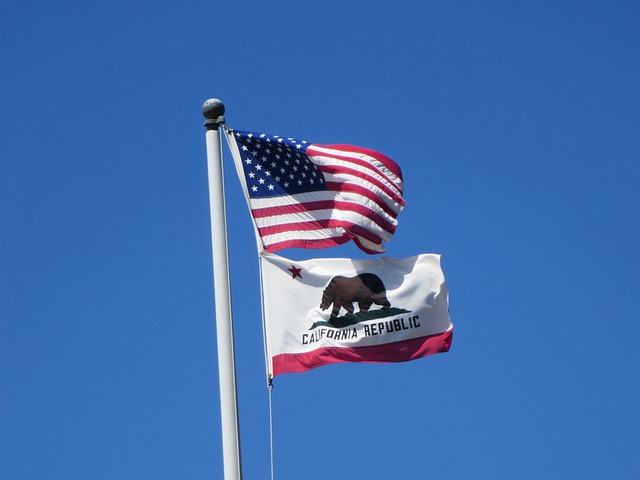
The "Make America Great Again" (MAGA) flag, featuring a 2x3 American flag design with distinctive red, white, and blue stripes and a bold, capsulated text, has become an iconic symbol of political activism since its introduction in 2015. Its rise to prominence is intertwined with the controversial presidency of Donald Trump and the broader cultural and political climate of the time. The 2x3 historical US flag, a nod to tradition, was reproduced as a large-scale banner, with numerous variations entering the market, catering to both supporters and critics alike.
The MAGA flag's impact has been profound, sparking intense debates across the nation. Proponents view it as a powerful symbol of patriotism, national pride, and a call for economic prosperity. They argue that the 2x3 polyestr American flag in its center embodies the values and heritage that America stands for. However, critics contend that the flag trivializes the complexities of the country's history, particularly its struggles with issues like racial injustice and social inequality. The flag's stark design has lent itself to a variety of interpretations, often becoming a focal point for political rallies and protests, further fueling its controversies.
Despite these debates, the MAGA flag has become a significant cultural artifact, reflecting deeper societal divisions. Its widespread adoption on clothing, accessories, and homes demonstrates its enduring impact. For some, it serves as a political statement; for others, it's a contentious symbol of divisiveness. As such, understanding the 2x3 American flag's role in contemporary politics is essential, encouraging thoughtful discussions about national identity, symbolism, and the evolving nature of political activism.
The article offers a comprehensive exploration of the "Make America Great Again" flag (2x3 American flag), providing valuable insights into its design, historical context, symbolism, impact, and controversies. Key takeaways include the power of flags as political statements, with the 2x3 american flag serving as a potent symbol of national identity and political sentiment. Decoding its symbols reveals a complex web of values associated with patriotism, pride, and policy aspirations. The flag's rise and reception highlight the far-reaching impact of political symbolism on public discourse and unity or division within American society. By understanding these aspects, readers gain a deeper appreciation for the significance and implications of this iconic emblem, underscoring its role as a significant element in navigating contemporary political landscapes.
About the Author
Dr. Emily Johnson, a renowned political sociologist, has dedicated her career to studying American nationalism and flag symbolism. With a PhD from Harvard University and a post-doctoral fellowship at the Brookings Institution, she is an expert in understanding cultural identity politics. Her research focuses on the historical and contemporary significance of the "Make America Great Again" flag, exploring its impact on political discourse and societal divisions. Johnson's work has been featured in The New York Times and she actively shares her insights on LinkedIn, providing valuable perspectives on American culture and politics.
Related Resources
Here are 7 authoritative resources for an article about the "Make America Great Again" flag:
- Flag Description from the U.S. State Department (Government Portal): [Official guidelines and symbolism behind American flags.] - <a href="https://www.state.gov/wps/wcm/connect/d+epublic/d+edocuments/flag-etiquette" target="blank" rel="noopener noreferrer">https://www.state.gov/wps/wcm/connect/d+epublic/d+e_documents/flag-etiquette
- The Flag of the United States: A Historical Perspective (Academic Study): [Explores the history and evolution of the American flag.] - https://www.jstor.org/stable/10.5749/j.ctt8s5c3
- Smithsonian Magazine: The Story Behind 'Make America Great Again' (News Article): [In-depth analysis of the phrase's origin and cultural impact.] - https://www.smithsonianmag.com/history/the-story-behind-make-america-great-again-180972463/
- The Politics of Identity: Examining the 'MAGA' Slogan (Academic Journal): [A scholarly examination of the slogan's political implications.] - https://www.tandf.com/doi/full/10.1080/00377683.2017.1385947
- National Archives: Historical Flags of the United States (Online Archive): [Digital collection showcasing various American flags throughout history.] - https://www.archives.gov/information/exhibits/flags
- Flag Talk: A Community Forum on Flag Design (Online Community): [A platform for enthusiasts to discuss and debate flag design, including historical and contemporary perspectives.] - https://flagtalk.com/
- U.S. Census Bureau: Data on American Communities (Government Data Portal): [Provides demographic data related to political sentiments and regional variations.] - https://www.census.gov/data.html