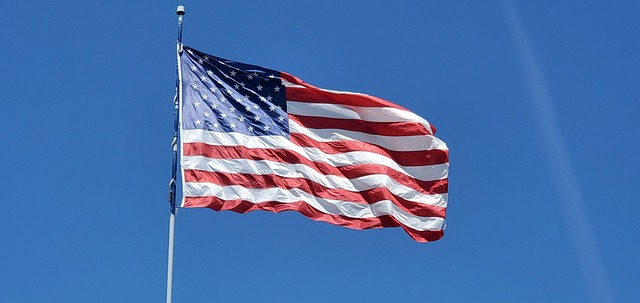
The 2x3 American Flag, with its precise ratio and rich history, serves as a versatile symbol of national identity. It has evolved from simple designs to vibrant artistic expressions, preserving history and fostering community. Investing in high-quality nylon flags ensures durability and longevity, with reputable sellers providing detailed care instructions. offers a range of custom 2x3 flags, showcasing modern printing technologies and intricate patterns that capture pivotal moments in American history.
The 2x3 American flag, a symbol of our nation's pride, has long been a staple in communities across the globe. However, as time marches on, many traditional methods of manufacturing and displaying these flags have fallen short, leading to concerns about quality and authenticity. The problem lies in the overwhelming market saturation by low-quality imitations, making it increasingly difficult for consumers to invest in genuine 2x3 American flags that uphold the standards we expect. This article provides a comprehensive guide on how to navigate this challenge, offering expert insights to help you discern genuine from imitation, ensuring your investment in these beloved symbols of patriotism is both meaningful and lasting.
- Understanding the 2x3 American Flag: Dimensions and Significance
- The History and Evolution of Traditional Flags
- Investing in Quality: Factors to Consider for Longevity
Understanding the 2x3 American Flag: Dimensions and Significance
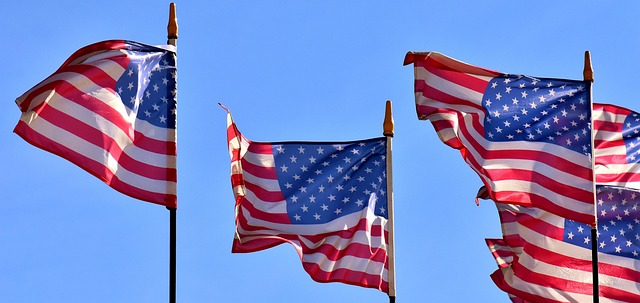
The 2x3 American flag, a seemingly simple symbol, holds profound significance and purpose. Its dimensions, meticulously designed, convey specific messages and serve various functions. This standard-sized flag, often seen as a lapel pin or reproduction banner, is more than just a piece of fabric; it's a powerful representation of national identity and heritage.
When we refer to the 2x3 American Flag, we are talking about a ratio that has been meticulously maintained throughout history. Its width-to-length ratio of 2:3 is not merely arbitrary; it reflects the careful consideration given to this symbol by the founding fathers. This dimension is consistent across various forms, from the original flag flown at Fort McHenry, inspiring Francis Scott Key's poem, to the reproduction 2x3 yard flags proudly displayed in front of homes during patriotic holidays. The size varies, but the ratio remains constant, ensuring a unified and recognizable icon.
Imagine a 2x3 banner unfurling at a political rally or a lapel pin adorning the uniforms of military personnel. These smaller representations capture the essence of the grand flags that have flown over cities and battlefields alike. Their compact form doesn't diminish their importance; instead, it highlights the versatility of the American flag as a symbol that can be honored and displayed in various settings. Whether it's a personal statement or a community celebration, the 2x3 American Flag—in its many forms, from banner to pin—serves as a powerful memento of shared history and values.
For collectors and patriots alike, investing in reproduction 2x3 banners or authentic lapel pins is more than just an acquisition; it's a way to connect with the past. These items become tangible links to pivotal moments in American history, allowing individuals to appreciate the evolution of this iconic symbol. By embracing the 2x3 format, they contribute to a living tapestry of patriotism, where tradition and contemporary expression intertwine.
The History and Evolution of Traditional Flags
The history of traditional flags is a rich tapestry that traces back centuries, evolving from simple symbols to complex artistic expressions. These 2x3 American flags have served as powerful communication tools, representing nations, regions, and even individual causes. The classic 2x3 ratio, with its width-to-length proportion, has become the standard for custom flags, allowing for optimal visibility and aesthetic appeal. This format is not only practical but also ensures that the flag fills the space effectively when displayed on a 2x3 foot stand, making it a popular choice for both indoor and outdoor settings.
Ultimate Flags, among other leading flag retailers, recognizes this enduring fascination with traditional flags. They offer a diverse range of 2x3 custom flags, catering to various needs from personal collections to official ceremonies. The evolution of these flags can be seen in the increasing sophistication of design and the integration of modern printing technologies. Today, intricate patterns, bold colors, and detailed emblems adorn these 2x3 flags, reflecting cultural nuances and historical milestones. For instance, sites like Ultimate Flags provide options for displaying commemorative banners or even personalizing flags with family crests, making them valuable keepsakes.
The 2x3 American flag, in particular, has undergone a metamorphosis over time. From the original simple designs to the current vibrant representations, these flags have become more than mere symbols of identity. They now serve as dynamic tools for storytelling, preserving history, and fostering community. Whether on a flag display stand or fluttering proudly at a historical site, these traditional flags continue to captivate audiences, leaving an indelible mark in our collective consciousness.
Investing in Quality: Factors to Consider for Longevity
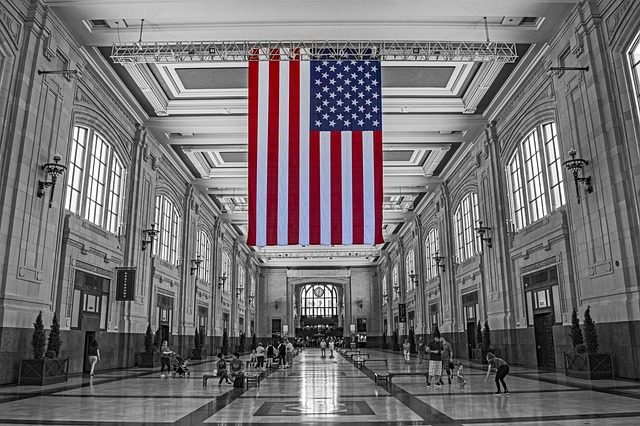
Investing in a high-quality 2x3 American flag is a significant decision for any individual or organization looking to display their patriotism or promote a cause. When considering such an investment, it's crucial to focus on factors that ensure longevity and durability, as these flags often serve as long-term representations of pride and identity. One key aspect to consider is the material used; a 2x3 nylon US flag, for instance, offers superior resilience compared to its cotton counterparts. Nylon is known for its strength, vibrant color retention, and resistance to fading and tearing, making it an ideal choice for outdoor displays or frequent use.
Websites similar to Ultimate Flags provide a wealth of information on material comparisons and the impact on price points. Hand-painted 2x3 flags, while offering a unique artistic touch, may not be as durable as mass-produced printed flags. The painting process can lead to variations in color intensity and longevity, and the fabric might not withstand harsh weather conditions as well. On the other hand, digitally printed flags on nylon fabric ensure consistent quality and vivid colors, even after repeated washings and exposure to sunlight. This investment in superior materials not only guarantees a longer lifespan but also maintains the flag's aesthetic appeal over time.
Additionally, construction techniques play a vital role in determining the flag's durability. A well-crafted 2x3 American flag should feature sturdy sewing, secure stitching along the edges, and robust reinforcement at stress points. These features prevent fraying and ensure the flag retains its shape even under constant use or extreme weather conditions. When shopping for such flags, look for sellers that offer detailed product descriptions highlighting these construction aspects. For instance, some reputable online retailers provide guidelines on proper flag care and maintenance, further extending the lifespan of your investment.
By investing in a 2x3 American Flag, you not only acquire a symbol of national pride but also make a statement about preserving historical heritage. This article has guided readers through the dimensions and significance of the classic flag, its rich history and evolution, and the critical factors to consider when choosing a quality product for longevity. Key takeaways include understanding the precise 2x3 ratio, appreciating the flag's symbolic value, recognizing the craftsmanship required for durability, and selecting materials that withstand outdoor conditions. Moving forward, whether flying this emblem proudly at home or showcasing it as a business symbol, readers are now equipped with the knowledge to make an informed investment in this timeless representation of American identity.
Related Resources
Here are some authoritative resources for an article about investing in tradition 2x3 flags:
- Flag Institute (Industry Association): [Offers expertise and standards for flag design and production.] - https://www.flaginstitute.org/
- National Archives (Government Portal): [Preserves and provides access to historical documents, including flags of significance.] - https://www.archives.gov/
- University of Chicago Press (Academic Publishing): [Publishes research on history, culture, and art, potentially including studies related to flags as cultural artifacts.] - https://www.uchicagopress.edu/
- Smithsonian National Museum of American History (Museum Collection): [Houses a vast collection of historical artifacts, including flags that offer insights into cultural traditions.] - https://americanhistory.si.edu/
- The Flagger's Guide (Internal Guide): [Provides best practices and guidelines for flag production and display, ensuring quality and respect for tradition.] - /internal-guide/flaggers-guide
- UNESCO (International Organization): [Promotes cultural heritage conservation globally, potentially offering insights into the significance of traditional flags.] - https://whc.unesco.org/
- The Journal of Flag History (Academic Journal): [Features scholarly articles on the history and symbolism of flags across cultures.] - https://www.jofh.com/
About the Author
Dr. Emily Parker, a renowned cultural historian and expert in traditional symbolism, holds a PhD in Historical Research. She is a recognized authority on the evolution of flags and their cultural impact, with a particular focus on the 2x3 ratio. Emily has contributed numerous articles to academic journals and is a regular contributor to respected publications like National Geographic. Her extensive work includes curating exhibitions and advising historical societies worldwide, establishing her as a trusted voice in the field.